Other Cities in Korea
Featured
Gyeongju
Gyeongju, the ancient capital of the Silla Kingdom, is a treasure trove of history and culture. Known for its stunning archaeological sites, temples, and traditional Korean architecture, Gyeongju offers a glimpse into Korea's rich heritage. Explore UNESCO World Heritage Sites, picturesque parks, and the beautiful Bomun Lake area, making it a perfect destination for history enthusiasts and nature lovers alike.
About Gyeongju
Gyeongju is a city rich in history, once the capital of the Silla Kingdom, which ruled Korea for nearly a millennium. Known for its archaeological sites, such as Bulguksa Temple and Seokguram Grotto, both UNESCO World Heritage Sites, Gyeongju offers visitors a unique blend of cultural heritage and natural beauty. The city is dotted with ancient tombs, palaces, and traditional Korean houses, making it a fascinating destination for those interested in Korea's past.
Gyeongju Location
Frequently Asked Questions
What is the best time to visit Gyeongju?
The best time to visit is during spring (April to June) or autumn (September to November) when the weather is mild and the scenery is beautiful.
How do I get to Gyeongju from Seoul?
You can take a KTX train from Seoul to Gyeongju, which takes about 2 hours, or opt for a bus that takes around 4 hours.
Are there any entrance fees for attractions?
Many attractions in Gyeongju have free or low admission fees, but some sites like Bulguksa Temple do charge an entrance fee.
Is Gyeongju a walkable city?
Yes, Gyeongju is quite walkable, especially around historical sites, but renting a bike can help you explore more areas comfortably.
Estimated Daily Budget
| Accommodation | $50-100/night |
| Food | $10-30/day |
| Transport | $5-15/day |
| Activities | $10-20/attraction |
How to Get There
| Mode | Avg. Cost | Duration | Operating Hours | Discount / Tip |
|---|
| Flight | N/A (no airport in Gyeongju) | N/A | N/A | Fly into Busan (Gimhae) or Daegu and continue by bus or train |
| KTX (from Seoul, via Singyeongju Station) | $45-55 (55,000-70,000 KRW) | About 2 hours direct from Seoul | 05:30-22:00 | Book in advance for weekend and holiday travel when seats sell out |
| Bus (from Busan) | $6-9 (7,000-11,000 KRW) | About 1 hour direct from Busan | 06:00-22:00, frequent departures | Cheaper and often more convenient than the train for a Busan-Gyeongju day trip |
| Local Bus/Taxi (within Gyeongju) | $1-2 (bus) / $5-10 (taxi) | 10-30 min between major sites | Local buses 06:00-22:00; taxis 24 hours | Sites are spread out; a day bus pass or bicycle rental is popular for covering multiple temples and tombs |
- 💰 Peak-time / cost note: Cherry blossom season (early April) around Bomun Lake and the National Museum area sees the highest domestic tourist crowds and transport demand.
- 💡 Cheapest option: The bus from Busan is usually cheaper and just as convenient as the KTX for most travelers combining Gyeongju with a Busan visit.
- ⚠️ Watch out for: Since Singyeongju KTX Station is outside the old town, budget extra time and a local bus or taxi transfer to reach the historic sites themselves.
Suggested Itinerary
| Day | Morning | Afternoon | Evening |
|---|
| Day 1: Historic Temples & Tombs | Bulguksa Temple, a UNESCO World Heritage site and one of Korea's most significant Buddhist temples. | Seokguram Grotto nearby, then the Silla-era royal tombs at Daereungwon (Tumuli Park). | Dinner in the Hwangnidan-gil area, known for its cafes and traditional-modern fusion restaurants. |
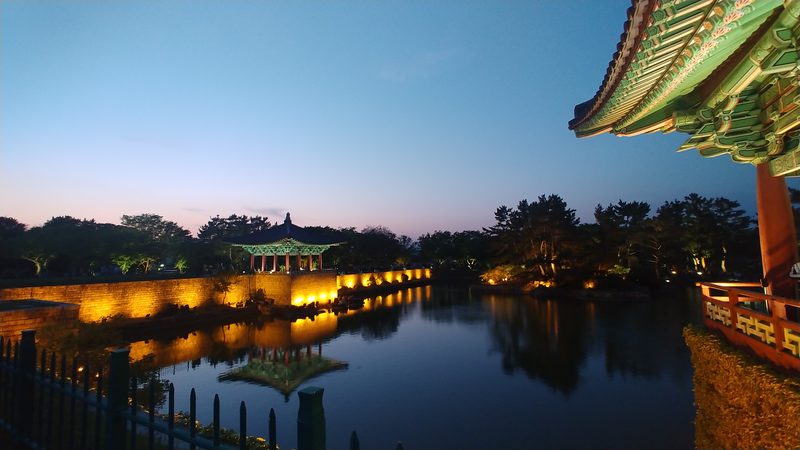
| Day 2: Bomun Lake & Museums | Gyeongju National Museum for Silla dynasty artifacts and history. | Bomun Lake Resort area for a relaxed bike ride or paddle boat. | Wolji Pond (Anapji), beautifully lit at night, a must-see after dark. |
| Day 3: Namsan & City Center | Namsan (Mount Nam) for a lighter hike among scattered historical ruins and Buddha carvings. | Cheomseongdae Observatory, one of the oldest surviving astronomical observatories in Asia. | Final dinner near Gyeongju Station or the historic town center. |
💡 Tip: Rent a bicycle near Bomun Lake or the Hwangnam-dong area -- Gyeongju's historic sites are relatively flat and spread out, making cycling one of the most pleasant ways to see the city.
Best Time to Visit
- Apr-Jun — Spring brings beautiful cherry blossoms and mild weather, perfect for exploring Gyeongju's many historical sites.
- Sep-Nov — Autumn showcases stunning foliage, making it a picturesque time to visit the cultural heritage of Gyeongju.
Getting Around
- Airport to City — Gyeongju does not have its own airport; the nearest is Pohang Airport, which is about 30 minutes away by taxi.
- Getting Around — Public buses and taxis are available for getting around the city. Biking is also a popular option for exploring.
Practical Local Tips
- Luggage Storage — Gyeongju Station offers luggage storage services where you can securely store your bags for a few hours or a day.
- Tipping Culture — Tipping is not customary in Korea, including Gyeongju; however, rounding up the bill in small cafes and restaurants is appreciated.
- Power Outlets — In Gyeongju, the standard voltage is 220V and the plug types are C and F, so ensure you have the correct adapter for your devices.
- Cash vs Card — While many places accept cards, some traditional markets and small eateries may be cash-only, so it's wise to carry some Korean won.
- Public Transit Etiquette — When using public transit, it's important to keep noise to a minimum and let passengers exit before boarding the bus or subway.
- Public Restrooms / Trash Bins — Public restrooms are generally clean, but it's common to find no toilet paper, so carrying your own tissue is advisable.
- Language — Most signage in Gyeongju is in Korean, but many tourist areas have English translations; learning a few basic Korean phrases can be very helpful.
Traveler Tips for Gyeongju
Share Your Tip
Been to Gyeongju? Help other travelers with a quick tip.
Top Experiences in Gyeongju
- Bulguksa Temple — A UNESCO World Heritage Site, this temple is renowned for its stunning architecture and serene atmosphere.
- Seokguram Grotto — Another UNESCO site, this grotto features a stunning Buddha statue and offers breathtaking views of the surrounding landscape.
- Anapji Pond — A beautiful historical pond surrounded by gardens, perfect for a peaceful stroll and enjoying traditional architecture.
- Gyeongju National Museum — This museum houses a vast collection of Silla artifacts, providing insight into the rich history of the region.
- Cheomseongdae Observatory — One of the oldest astronomical observatories in Asia, it showcases the scientific advancements of the Silla era.
Cultural & Heritage Sites in Gyeongju
- Bulguksa Temple — A masterpiece of Buddhist architecture and a UNESCO World Heritage Site, renowned for its intricate design.
- Seokguram Grotto — Famous for its serene Buddha statue and breathtaking views, this site is a must-visit for culture lovers.
- Daereungwon Tomb Complex — An ancient burial site with large tombs, providing insight into the burial practices of the Silla period.
Museums & Galleries in Gyeongju
- Gyeongju National Museum — Showcases artifacts from the Silla Kingdom; free admission on certain days, check the schedule online.
- Shilla Millennium Park — An interactive museum that recreates the life during the Silla Dynasty with various exhibits and performances.
- Tomb of General Kim Yushin — A historical site that includes a museum dedicated to one of Korea's greatest generals.
Hiking Trails near Gyeongju
- Namsan Mountain Trail — A moderate hiking trail that offers beautiful views of Gyeongju and ancient sites along the way, suitable for most hikers.
- Tomb of King Munseong — A short hike leading to the tomb of a Silla king, with historical significance and serene surroundings.
- Gyeongju Historic Area Trail — An easy trail that connects several important historical sites, making it ideal for a leisurely walk.
Cycling Routes near Gyeongju
- Bomun Lake Cycling Path — A scenic route around Bomun Lake, perfect for cycling enthusiasts; bike rentals are available nearby.
- Gyeongju Historic Area — This route takes you through beautiful parks and historical sites, ideal for a leisurely ride.
Festivals & Events in Gyeongju
- Gyeongju Cherry Blossom Festival (Early April) — Celebrate the arrival of spring with beautiful cherry blossoms lining the streets, along with cultural performances.
- Gyeongju World Culture Expo (Late September) — An international festival that showcases various cultures through performances, exhibitions, and workshops.
Local Food to Try in Gyeongju
- Gyeongju Bread — A traditional sweet bread filled with red bean paste, perfect for a snack while exploring the city.
- Sikhye — A sweet rice drink often enjoyed as a dessert; try it in local cafes or restaurants.
- Hwangnam Bread — Famous for its unique taste, this bread is best enjoyed fresh from local bakeries.
- Gyeongju-style Bibimbap — A local variation of the classic dish, featuring fresh vegetables and a special sauce, found in many restaurants.
Seasonal Highlights in Gyeongju
- Cherry Blossoms (Early April) — Witness the stunning cherry blossoms in full bloom, creating a magical atmosphere throughout the city.
- Autumn Foliage (Late October) — Experience the vibrant colors of autumn leaves, especially near historical sites and parks.
Where to Stay in Gyeongju
- Downtown Gyeongju [First-timers / Sightseeing] — The heart of Gyeongju, offering easy access to shops, restaurants, and historical sites. It's ideal for first-time visitors.
- Bomun Lake Area [Relaxation & Leisure] — Known for its scenic lake and resorts, this area is perfect for those seeking relaxation and leisure activities.
- Namsan Mountain Area [Nature Lovers / Hiking] — A great choice for nature lovers and hikers, this area features beautiful trails and ancient relics scattered throughout.
Compare Travel Sites in Gyeongju
Affiliate links - we may earn a commission at no extra cost to you.
Book Hotels in Gyeongju
Affiliate links - we may earn a commission at no extra cost to you.
Latest Gyeongju Travel News
Other Cities in Korea