
Last fact-checked: 2026-09-10
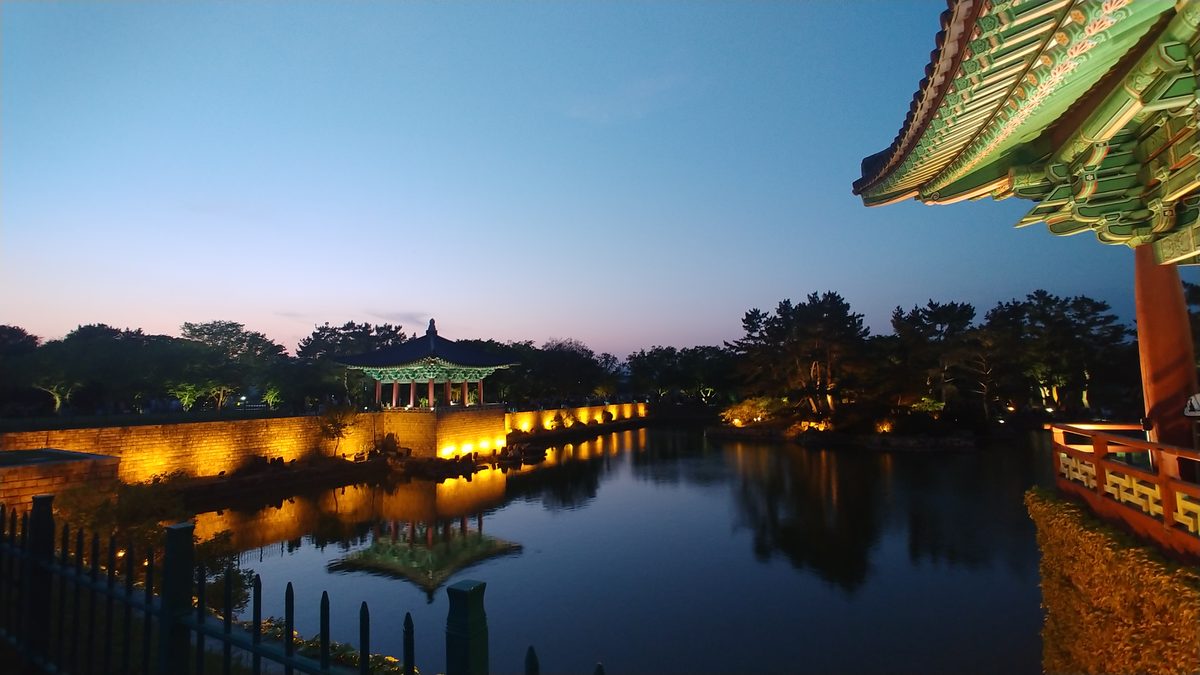
The Gyeongju Historic Areas, inscribed as a UNESCO World Heritage Site in 2000, are a treasure trove of Korea's rich cultural heritage. Located in the city of Gyeongju, these historic areas comprise five significant belts: Mount Namsan, Wolseong, Hwangnyongsa Temple, Tumuli Park (the royal burial mounds), and Sanseong Fortress. Each location offers unique insights into the ancient Silla Kingdom, making it a must-visit for any traveler interested in history and culture.
Gyeongju was the capital of the Silla Kingdom for nearly a thousand years, from 57 BC to 935 AD, and it is often referred to as a 'museum without walls' due to its abundance of historic sites. The inclusion of these areas in the UNESCO World Heritage list highlights their universal value and significance in understanding Korea's past.
Mount Namsan, known for its beautiful hiking trails and numerous stone sculptures, is a sacred mountain that served as a spiritual center for the Silla people. Visitors can enjoy breathtaking views and explore ancient relics scattered throughout the area.
The Wolseong area features the remains of the ancient royal palace. Walking through the grounds gives visitors a glimpse into the life of Silla royalty and the architectural prowess of the time.
Once one of the most significant temples in Korea, Hwangnyongsa Temple was a center of Buddhist culture. Though mostly in ruins today, the site still echoes the grandeur of its past, with its impressive pagoda and historical significance.
Tumuli Park is home to the royal burial mounds of Silla kings and queens. This serene park is dotted with grassy mounds and offers a unique opportunity to reflect on the burial practices of ancient Korea.
The Sanseong Fortress, built as a protective measure against invasions, showcases the military architecture of the Silla period. Walking along its walls provides insight into the defensive strategies of the time.
The best time to visit Gyeongju is during the spring (April to June) and autumn (September to November) months when the weather is mild and the scenery is particularly beautiful. Allow at least two to three days to fully explore the Gyeongju Historic Areas, as each site offers extensive grounds and fascinating history.
While specific entry fees can vary, many sites are free or have a nominal fee for maintenance. It's advisable to check ahead for any ticketing requirements or guided tour options, which can enhance your visit.
Gyeongju is easily accessible by train or bus from major cities like Busan and Seoul, making it a convenient destination for independent travelers.
Comfortable walking shoes are recommended due to the extensive areas you’ll be exploring. Additionally, dress in layers as temperatures can vary throughout the day, especially in the mountains.
Yes, Gyeongju offers a range of accommodations from traditional guesthouses to modern hotels. Booking in advance is recommended, especially during peak tourist seasons.
In conclusion, the Gyeongju Historic Areas provide a fascinating journey through Korea's past, offering an enriching experience for all visitors. Don't miss the chance to explore this UNESCO World Heritage Site and immerse yourself in the stunning landscapes and profound history it has to offer.